My research is anchored in the desire to tell critical but empathetic stories about individual people living in the past. I gravitate toward stories that are meaningful and memorable in and of themselves, but that also act as windows upon larger political, social, cultural, and more-than-human worlds. I believe that each person contains multitudes, to paraphrase the poet Walt Whitman. I study people’s complex, contingent, and often contradictory lives and careers using methodological insights from microhistory and the social history of biography.
My work is also animated by a fundamental interest in emotion: its historically and geographically specific characteristics, its agentive force in individuals’ lives, and its collective expression and articulation on a societal level, through what the literary scholar Raymond Williams termed structures of feeling.
Research to 2025
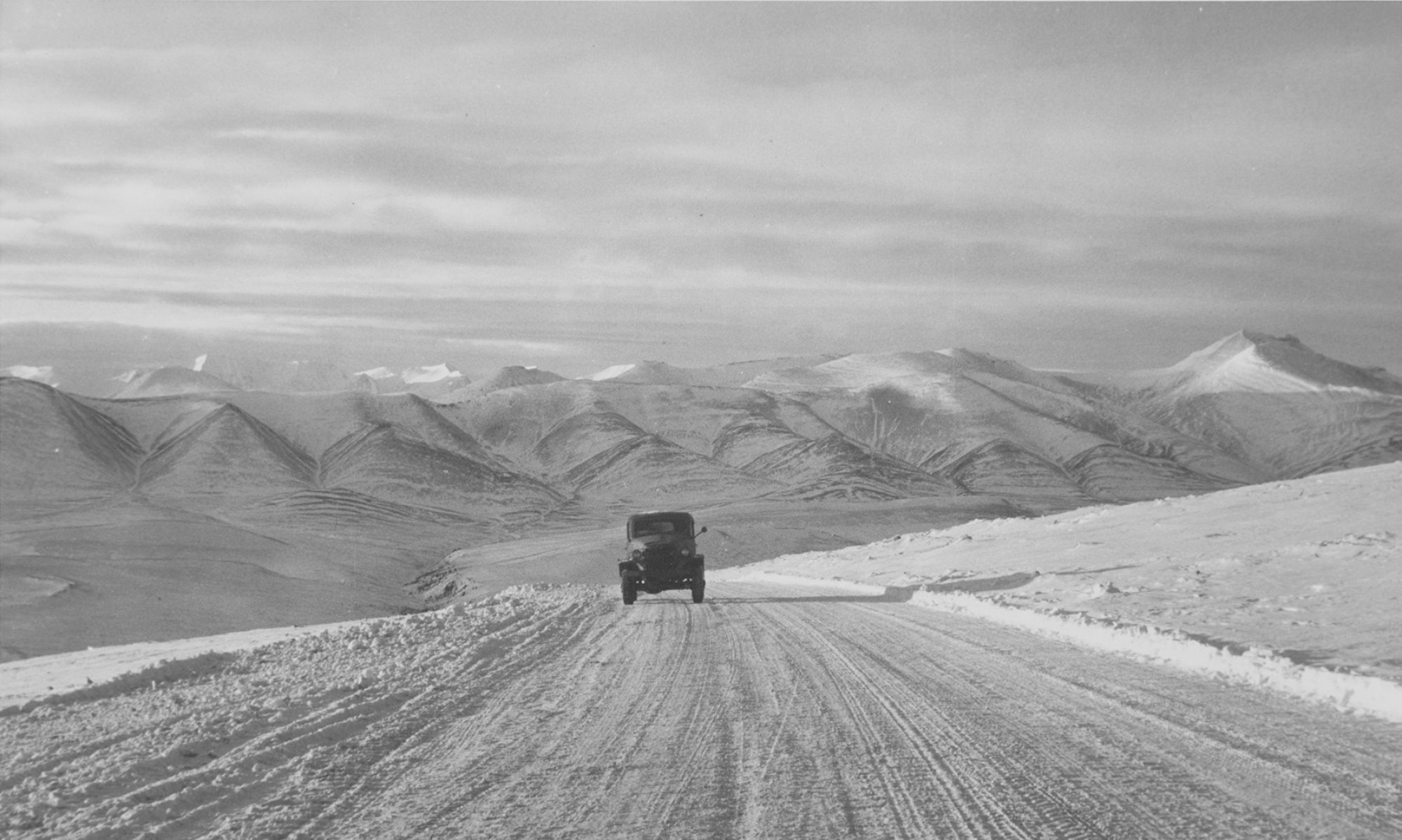
Up to 2025, my research examined the relationship between colonialism, modernity, and the production of knowledge about Canada, focusing on the early and mid-twentieth-century North. It centred on southern visitors to and sojourners in the region, including explorers, tourists, scientists, prospectors, and fur trappers and traders. It elucidated the intellectual, emotional, political, and socio-cultural dimensions and ramifications of their activities, for settlers, Indigenous peoples, and non-human beings and landscapes within and beyond the North. This phase of my research culminated in the publication of my monograph, A Cold Colonialism: Modern Exploration and the Canadian North (UBC Press, 2025).
Current research
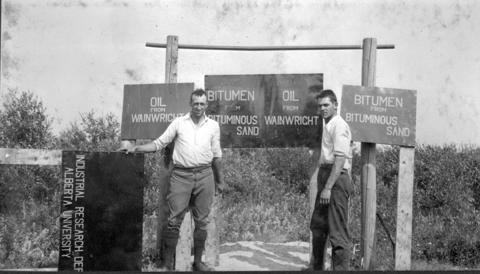
My new, book-length project builds on my ongoing interest in the scientific and environmental histories of resource exploration and exploitation in the modern Canadian North. It is a critical history of scientific research into and experimentation on Alberta’s oil or bituminous sands between approximately 1913 and 1951. Knowledge and technology produced by federal and provincial research agencies and private individuals and companies during this era was vital to catalyzing the commercial exploitation of the oil sands starting in 1967, when Great Canadian Oil Sands began operations.
Drawing in part on archival collections in Edmonton and Ottawa, I aim to reconstruct the scientific practices, relationships, and sites of work that enabled the production of knowledge and expertise about the oil sands. I am keen to uncover the contributions of women, working-class people, Indigenous people, children, and disabled people to this work, and so produce a richer and more diverse narrative about early oil sands science. Finally, I aim to uncover how non-human actors and forces shaped early research and experimentation, and how scientific activities in turn affected ecosystems in Edmonton and northeastern Alberta.
I am also developing a research interest in queer history, and specifically in the lives of queer women in western Canada. I am currently working on two microhistorical case studies of lesbian and queer women couples. One case study, set in Victoria, BC from the 1990s to the 2010s, focuses on lesbian bereavement and love after death, as captured in the Shirley Petten sous-fonds in the Archives of Lesbian Oral Testimony.
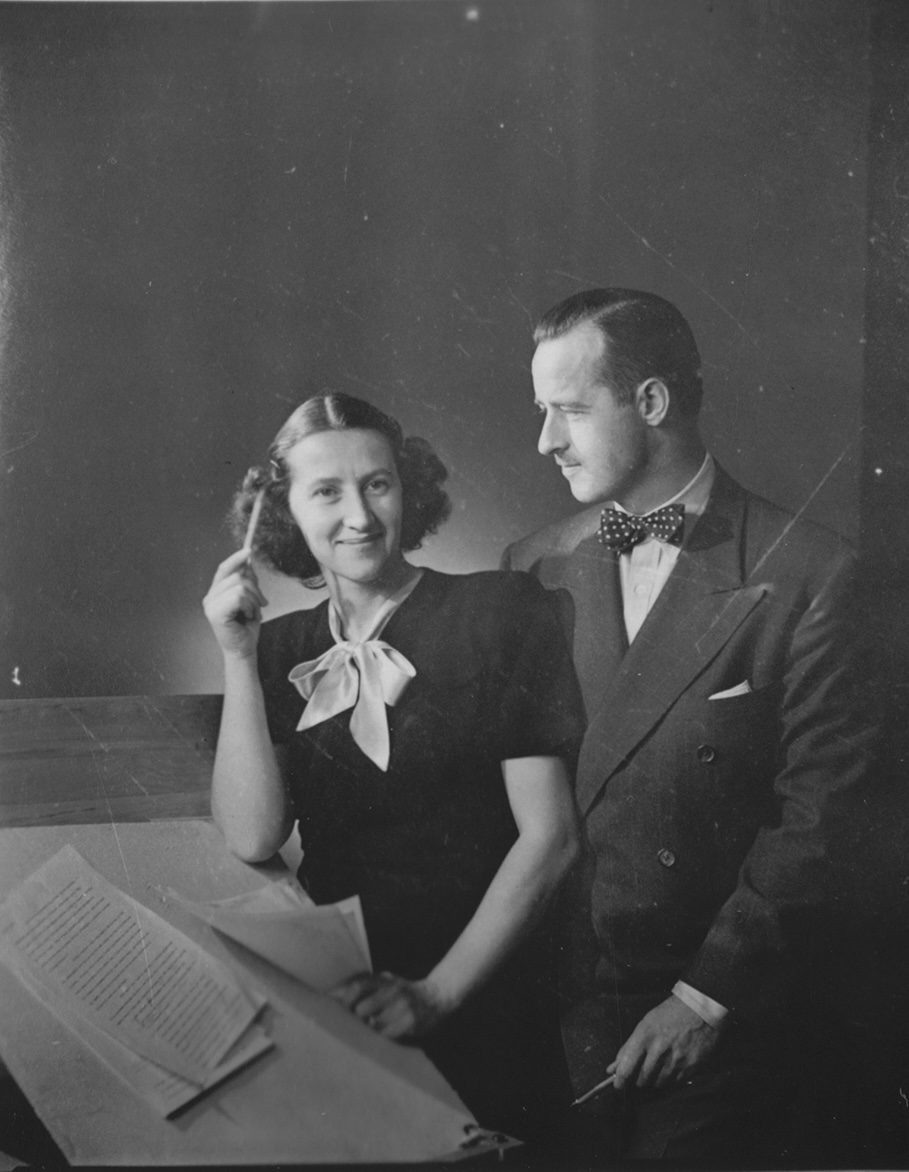
The other case study focuses on Jean Wallbridge and Mary Imrie, two of Canada’s earliest professional women architects who were also life partners. Wallbridge and Imrie have received a wave of attention from scholars and community historians in the 2020s. I am interested in whether aspects of their lives and careers can be told as a queer environmental history (and, by extension, what precisely makes an environmental history queer).
Finally, I’m working on an article-length project into women and the oil industry in postwar Alberta, after the Leduc oil strike of 1947 inaugurated a new era of conventional oil exploitation in that province. I focus on the entwined histories of two sororal organizations: the Desk and Derrick Club, which represented the interests of women employed in the oil industry, and the Association of Oil Wives Clubs, which offered wives of men in the industry opportunities for friendship and fellowship.